I'm trying to add environment mapping (using cube mapping) to my WebGL program:
https://roninbar.github.io/mobius/
I tried to follow this example:
https://webglfundamentals.org/webgl/lessons/webgl-environment-maps.html
but for some reason I keep getting this pesky warning:
[.WebGL-00006F8000214F00] GL_INVALID_OPERATION: Texture format does not support mipmap generation.
and the cube mapping doesn't work.
The six cube images are all 512×512 pixels, so WebGL is not supposed to have any problems generating mipmaps for them.
The full source code is on GitHub. Here are the parts I think are relevant, though:
function loadTextureAsync(
  gl: WebGLRenderingContext,
  which: number,
  url: string,
  { kind, target }: {
    kind: 'TEXTURE_2D' | 'TEXTURE_CUBE_MAP';
    target: 'TEXTURE_2D' | `TEXTURE_CUBE_MAP_${'POSITIVE' | 'NEGATIVE'}_${'X' | 'Y' | 'Z'}`;
  } = { kind: 'TEXTURE_2D', target: 'TEXTURE_2D' }
): Promise<WebGLTexture> {
  return new Promise(function (resolve, reject) {
    const texture = gl.createTexture();

    if (!texture) {
      return reject(new Error('Failed to create texture object.'));
    }

    gl.activeTexture(which);
    gl.bindTexture(gl[kind], texture);
    gl.texImage2D(
      gl[target],
      0, // level
      gl.RGBA, // internalFormat
      1, // width
      1, // height
      0, // border
      gl.RGBA, // format
      gl.UNSIGNED_BYTE, // type
      null,
    );

    const image = new Image();
    image.src = url;
    image.crossOrigin = '';
    image.addEventListener('load', function () {
      gl.activeTexture(which);
      gl.bindTexture(gl[kind], texture);
      gl.texImage2D(gl[target], 0, gl.RGBA, gl.RGBA, gl.UNSIGNED_BYTE, image);
      gl.texParameteri(gl[kind], gl.TEXTURE_WRAP_S, gl.CLAMP_TO_EDGE);
      gl.texParameteri(gl[kind], gl.TEXTURE_WRAP_T, gl.CLAMP_TO_EDGE);
      gl.texParameteri(gl[kind], gl.TEXTURE_MAG_FILTER, gl.LINEAR);

      // WebGL1 has different requirements for power of 2 images
      // vs non power of 2 images so check if the image is a
      // power of 2 in both dimensions.
      if (kind === 'TEXTURE_2D' && isPowerOf2(image.width) && isPowerOf2(image.height)) {
        // Yes, it's a power of 2. Generate mips.
        gl.generateMipmap(gl[kind]);
        gl.texParameteri(gl[kind], gl.TEXTURE_MIN_FILTER, gl.LINEAR_MIPMAP_LINEAR);
      } else {
        // No, it's not a power of 2. Turn off mips and set
        // wrapping to clamp to edge.
        gl.texParameteri(gl[kind], gl.TEXTURE_MIN_FILTER, gl.LINEAR);
      }

      return resolve(texture);
    });

    return texture;
  });
}

const loadAllTexturesAsync = async function () {
  const promises: Promise<WebGLTexture>[] = [];

  for (const which of [gl.TEXTURE20, gl.TEXTURE21, gl.TEXTURE22, gl.TEXTURE23]) {
    promises.push(loadTextureAsync(gl, which, `${process.env.PUBLIC_URL}/texture/hours${which - gl.TEXTURE20}.bmp`));
  }

  promises.push(loadTextureAsync(gl, gl.TEXTURE10, `${process.env.PUBLIC_URL}/texture/mobius.png`));

  for (const axis of ['X', 'Y', 'Z']) {
    for (const sign of ['NEGATIVE', 'POSITIVE']) {
      promises.push(loadTextureAsync(gl, gl.TEXTURE0, `https://webglfundamentals.org/webgl/resources/images/computer-history-museum/${sign.slice(0, 3).toLowerCase()}-${axis.toLowerCase()}.jpg`, {
        kind: 'TEXTURE_CUBE_MAP',
        target: `TEXTURE_CUBE_MAP_${sign as 'POSITIVE' | 'NEGATIVE'}_${axis as 'X' | 'Y' | 'Z'}`,
      }));
    }
  }

  return Promise.all(promises);
};

loadAllTexturesAsync().then(function () {
  gl.activeTexture(gl.TEXTURE0);
  gl.generateMipmap(gl.TEXTURE_CUBE_MAP);
  gl.texParameteri(gl.TEXTURE_CUBE_MAP, gl.TEXTURE_MIN_FILTER, gl.LINEAR_MIPMAP_LINEAR);
});

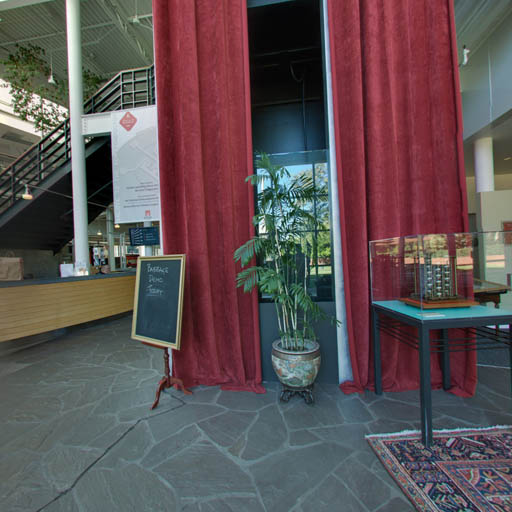
I figured it out. My mistake was that I created six different
WebGLTextures instead of just one for the whole cube. I changed it to the following: